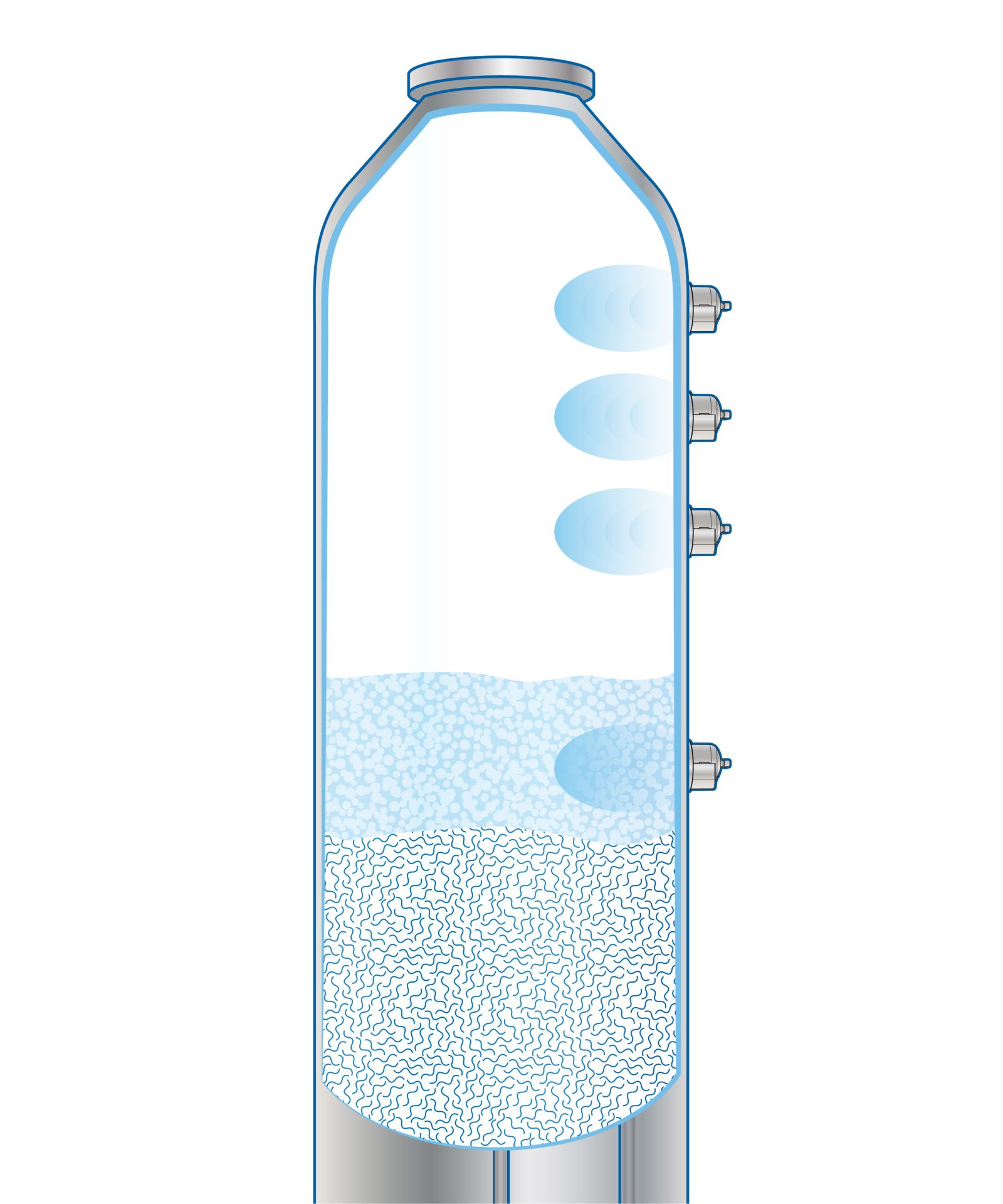
Inside a delayed coker, the transition between foam and coke is more than simply a change in material. Knowing where that transition occurs can be important when managing the coking cycle and protecting the operation from unwanted events such as foam-over.
This is one of the reasons understanding the foam-to-coke interface is an important consideration when selecting coke drum monitoring technology.
Read More
Topics:
neutron backscatter,
coke drum cycle,
coke drum optimization,
coke drum,
coker units,
delayed coke drum,
delayed coking,
coke drum monitoring,
coke formation monitoring,
foam and coke interface,
how coke level is measured,
how is coke level measured in a delayed coker,
refinery process measurement,
delayed coker level measurement,
coke drum process monitoring,
non-contact level measurement,
gamma transmission,
hydrogen density,
neutron vs gamma,
neutron backscatter vs gamma,
foam-to-coke interface,
delayed coker,
coke level measurement,
coke drum level measurement,
level measurement,
process measurement,
DrumVision,
gamma vs neutron backscatter,
foam to coke interface monitoring
Monitoring the changing conditions inside a delayed coke drum is an important part of managing the coking cycle. As material moves through different phases, operators need reliable information at critical points within the drum to help monitor coke formation and identify conditions that could lead to foam-over.
There are several technologies available for coke drum monitoring, including gamma transmission and neutron backscatter. While both use radiation-based measurement, they work in fundamentally different ways and provide different types of information.
So, what is the difference and why does it matter?
Read More
Topics:
neutron backscatter,
coke drum cycle,
coke drum optimization,
coke drum,
coker units,
delayed coke drum,
delayed coking,
coke drum monitoring,
coke formation monitoring,
foam and coke interface,
how coke level is measured,
how is coke level measured in a delayed coker,
refinery process measurement,
delayed coker level measurement,
coke drum process monitoring,
non-contact level measurement,
gamma transmission,
hydrogen density,
neutron vs gamma,
neutron backscatter vs gamma,
foam-to-coke interface,
delayed coker,
coke level measurement,
coke drum level measurement,
level measurement,
process measurement,
DrumVision,
gamma vs neutron backscatter
Knowing where coke is forming and how the level is progressing inside a delayed coker is an important part of managing the coking cycle.
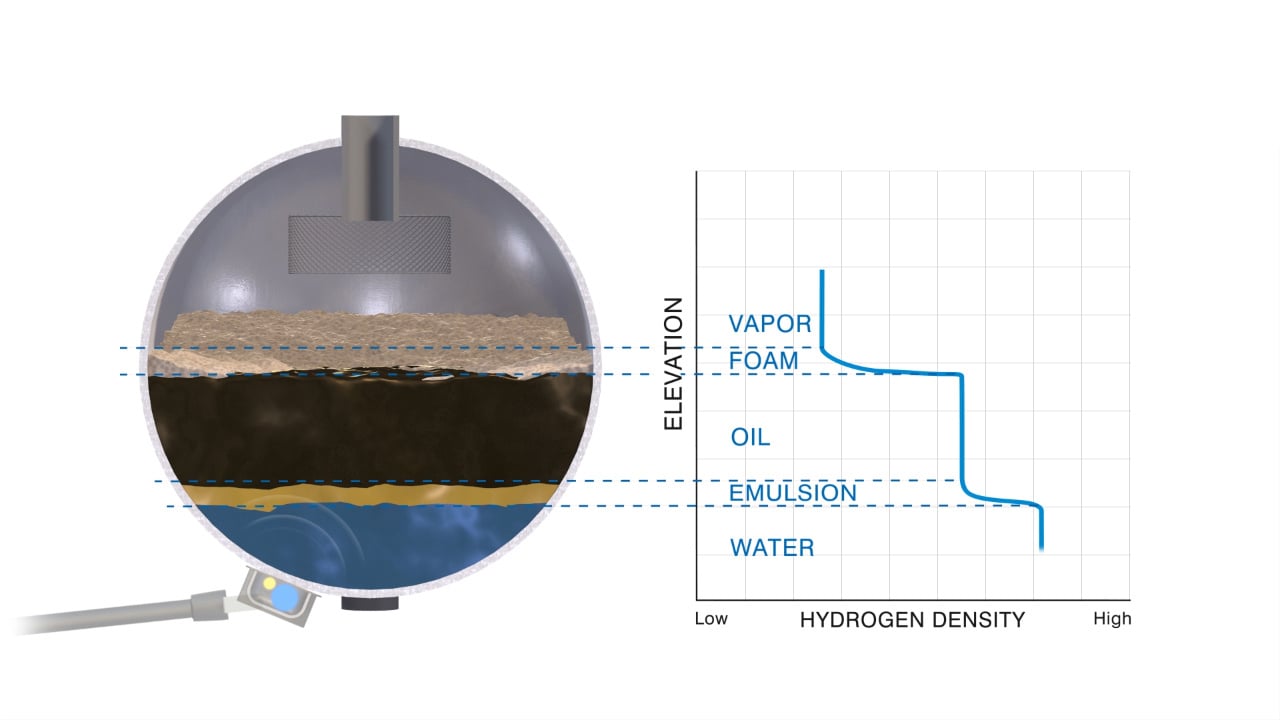
As the drum fills, the contents change through different phases, including vapour, foam and coke. Operators therefore need measurement technology that can provide reliable information at the points that matter.
But how is coke level actually measured in a delayed coker?
Read More
Topics:
neutron backscatter,
coke drum cycle,
coke drum optimization,
coke drum,
coker units,
delayed coke drum,
delayed coking,
coke drum monitoring,
coke formation monitoring,
foam and coke interface,
how coke level is measured,
how is coke level measured in a delayed coker,
refinery process measurement,
delayed coker level measurement,
coke drum process monitoring,
non-contact level measurement,
delayed coker,
coke level measurement,
coke drum level measurement,
level measurement,
process measurement,
DrumVision
Coke drum monitoring is a critical part of maintaining safe and efficient delayed coking operations, especially as units age. Yet for many refineries, process management still relies heavily on periodic checks and indirect signals, leaving operators with limited visibility into what is happening inside the drum during live operation. This gap often leads to conservative decision making, higher operating costs, and avoidable process risk.
Read More
Topics:
neutron backscatter,
coke drum cycle,
coke drum optimization,
coke drum,
coker units,
delayed coke drum
In the high-stakes world of oil and gas production, every second counts. A minor disruption in operations can have a domino effect, leading to significant financial losses.
Read More
Topics:
neutron backscatter,
Gamma Scanning,
tracers,
Tru-Scan,
gamma ray inspection,
oil production,
PhaseFinder,
separator study,
oil in water,
water production,
oil residence time test,
increase production rates,
optimising oil and gas production,
gas undercutting,
oil processing,
gas processing,
separator systems,
liquid carry-over,
hydrocarbon separation train
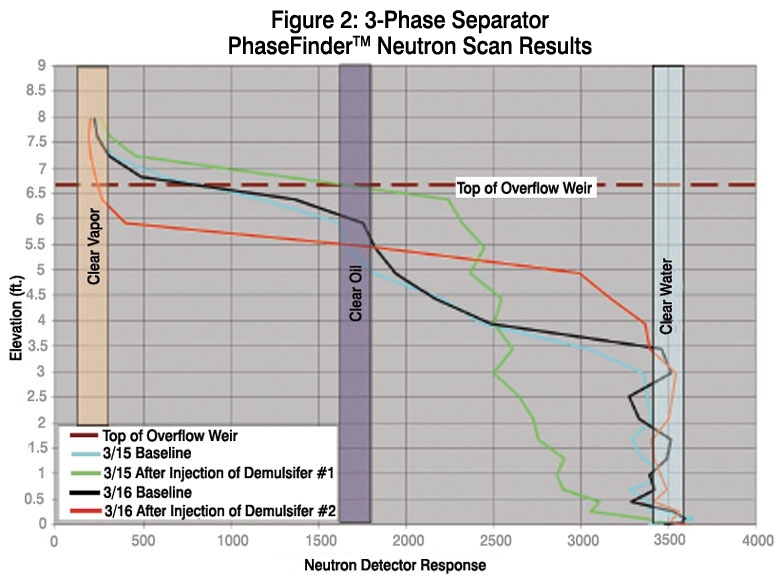
Scans aid plant personnel in determining which demulsifier is best suited for their application.
Tracerco’s scanning technology is an excellent means of measuring interface levels, whether between vapour and liquids, liquid and solids, or between two different types of liquids. Tru-Scan™ and PhaseFinder™ neutron scanning technologies can be used very effectively in trials of emulsion breaking chemicals to determine the best type and concentration to use in a particular vessel. This can lead to increased efficiency and significant cost savings as well as reduce the environmental impact of excess chemical use.
This blog will present two demulsifier trials that will show the difference in performance base on the presence or absence of an emulsion layer.
Read More
Topics:
neutron backscatter,
Tru-Scan,
gamma scan,
Separator,
PhaseFinder,
Demulsifier Chemical,
interface levels
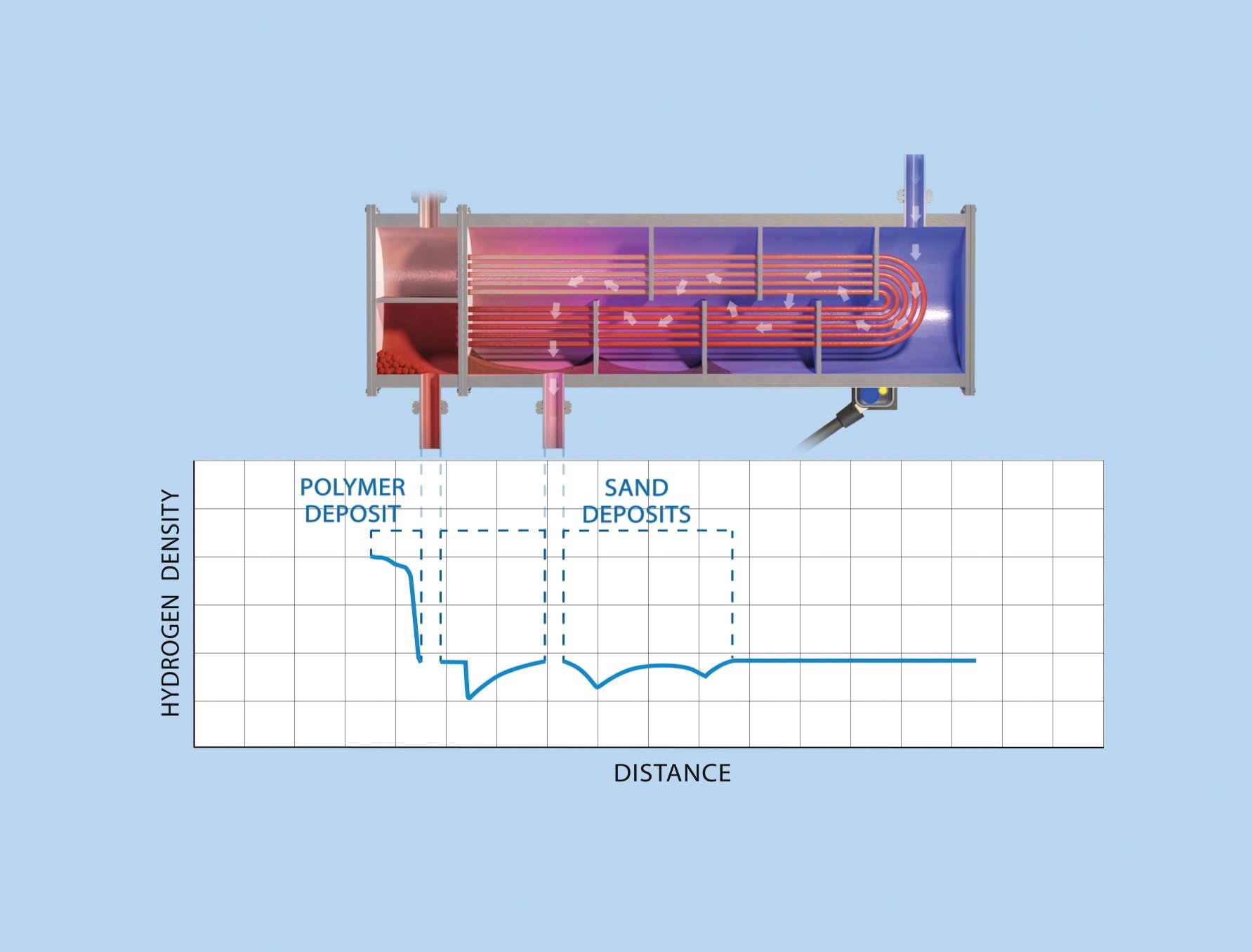
A problem plaguing butadiene purification unit operations is the potential for free radical polymerisation, commonly known as popcorn polymer. This popcorn polymer formation can disrupt the operation of the unit by plugging lines, sticking valves, and even physically damaging equipment. Under certain conditions the polymer growth can push apart flanges, rupture lines and even pop the head off exchangers.
Read More
Topics:
optimising plant processing,
popcorn polymer,
process systems,
providing insight onsite,
neutron backscatter,
process vessels,
plant processing,
scanning technology,
heat exchanger,
butadiene purification unit,
Process Diagnostics,
exchanger,
solids buildup,
fouling deposits,
polymerisation,
butadiene condenser