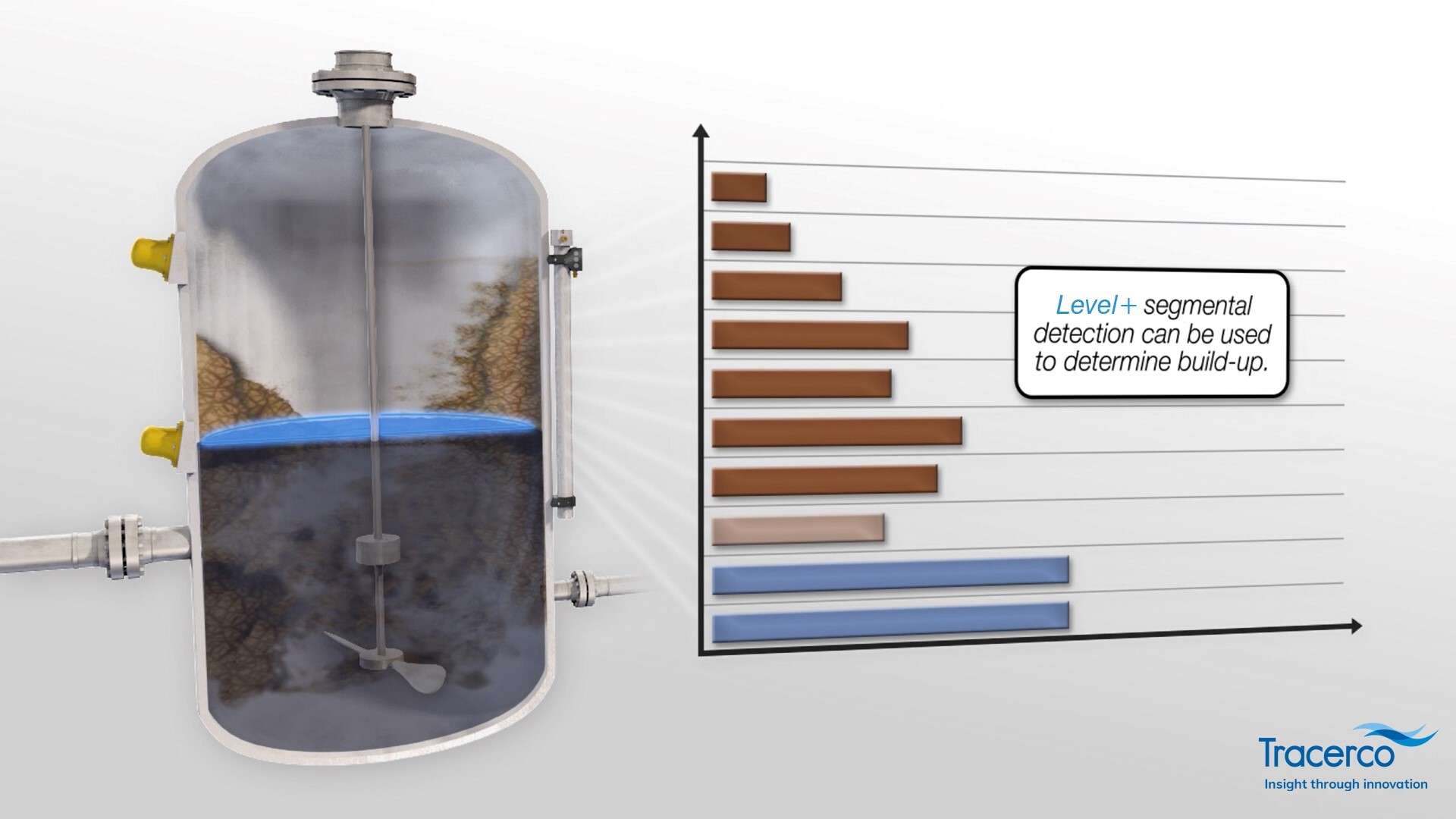
Monitoring coke levels during the delayed coking process is critical to helping operators maintain control of the coking cycle and avoid issues such as foam-over. But when it comes to choosing or replacing a coke drum monitoring system, there are several questions that come up time and again.
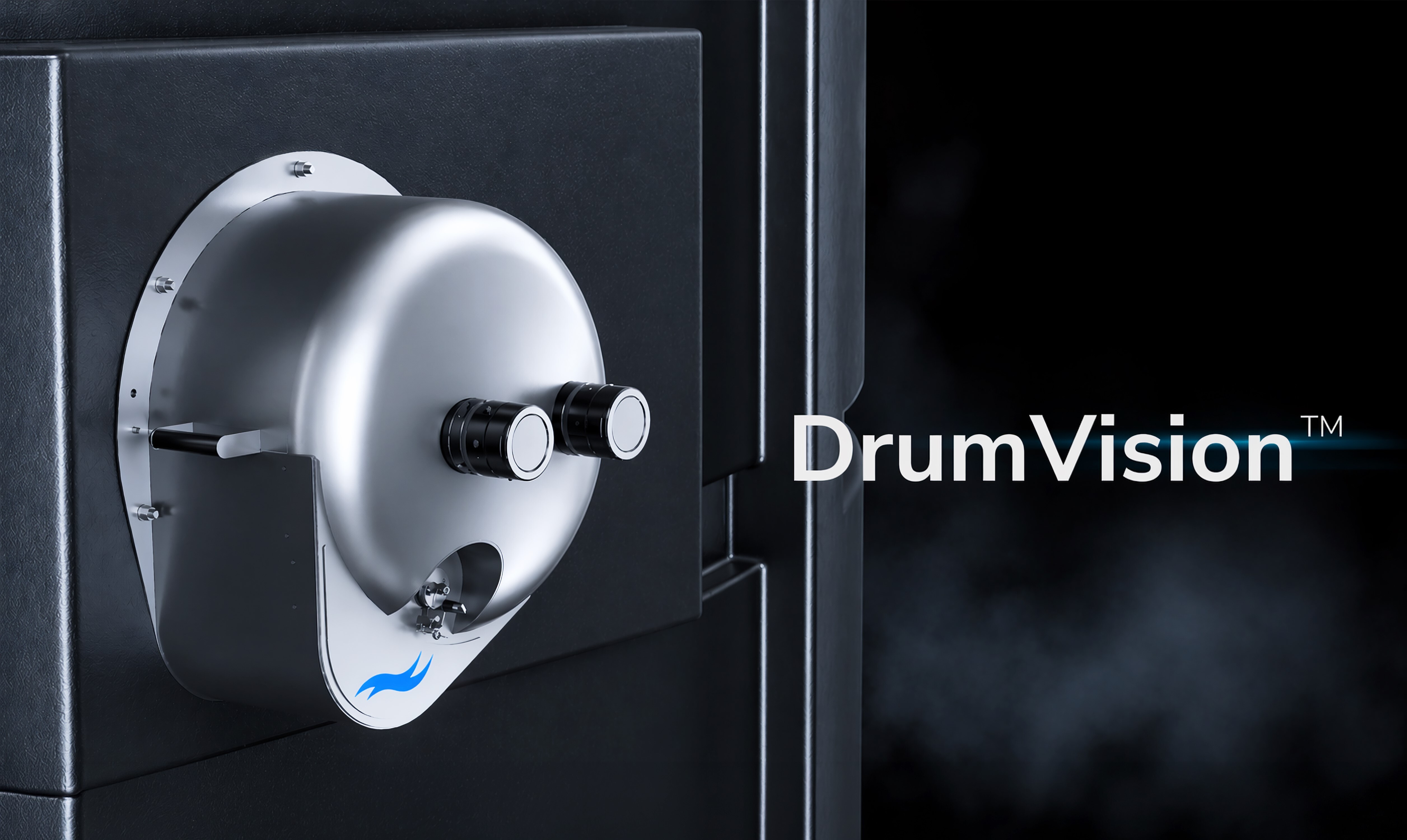
With the launch of DrumVision™, Tracerco’s neutron backscatter instrument for coke drum monitoring, we’ve been having more conversations with operators about the technology, its practical application and what is involved in replacing legacy systems.
Here are three of the questions we’re most frequently asked.
Read More
Topics:
neutron backscatter,
coke drum cycle,
coke drum optimization,
coke drum,
coker units,
delayed coke drum,
delayed coking,
coke drum monitoring,
coke formation monitoring,
foam and coke interface,
how coke level is measured,
how is coke level measured in a delayed coker,
refinery process measurement,
delayed coker level measurement,
coke drum process monitoring,
non-contact level measurement,
gamma transmission,
hydrogen density,
neutron vs gamma,
neutron backscatter vs gamma,
foam-to-coke interface,
delayed coker,
coke level measurement,
coke drum level measurement,
level measurement,
process measurement,
DrumVision,
gamma vs neutron backscatter,
foam to coke interface monitoring
Inside a delayed coker, the transition between foam and coke is more than simply a change in material. Knowing where that transition occurs can be important when managing the coking cycle and protecting the operation from unwanted events such as foam-over.
This is one of the reasons understanding the foam-to-coke interface is an important consideration when selecting coke drum monitoring technology.
Read More
Topics:
neutron backscatter,
coke drum cycle,
coke drum optimization,
coke drum,
coker units,
delayed coke drum,
delayed coking,
coke drum monitoring,
coke formation monitoring,
foam and coke interface,
how coke level is measured,
how is coke level measured in a delayed coker,
refinery process measurement,
delayed coker level measurement,
coke drum process monitoring,
non-contact level measurement,
gamma transmission,
hydrogen density,
neutron vs gamma,
neutron backscatter vs gamma,
foam-to-coke interface,
delayed coker,
coke level measurement,
coke drum level measurement,
level measurement,
process measurement,
DrumVision,
gamma vs neutron backscatter,
foam to coke interface monitoring
Monitoring the changing conditions inside a delayed coke drum is an important part of managing the coking cycle. As material moves through different phases, operators need reliable information at critical points within the drum to help monitor coke formation and identify conditions that could lead to foam-over.
There are several technologies available for coke drum monitoring, including gamma transmission and neutron backscatter. While both use radiation-based measurement, they work in fundamentally different ways and provide different types of information.
So, what is the difference and why does it matter?
Read More
Topics:
neutron backscatter,
coke drum cycle,
coke drum optimization,
coke drum,
coker units,
delayed coke drum,
delayed coking,
coke drum monitoring,
coke formation monitoring,
foam and coke interface,
how coke level is measured,
how is coke level measured in a delayed coker,
refinery process measurement,
delayed coker level measurement,
coke drum process monitoring,
non-contact level measurement,
gamma transmission,
hydrogen density,
neutron vs gamma,
neutron backscatter vs gamma,
foam-to-coke interface,
delayed coker,
coke level measurement,
coke drum level measurement,
level measurement,
process measurement,
DrumVision,
gamma vs neutron backscatter
Knowing where coke is forming and how the level is progressing inside a delayed coker is an important part of managing the coking cycle.
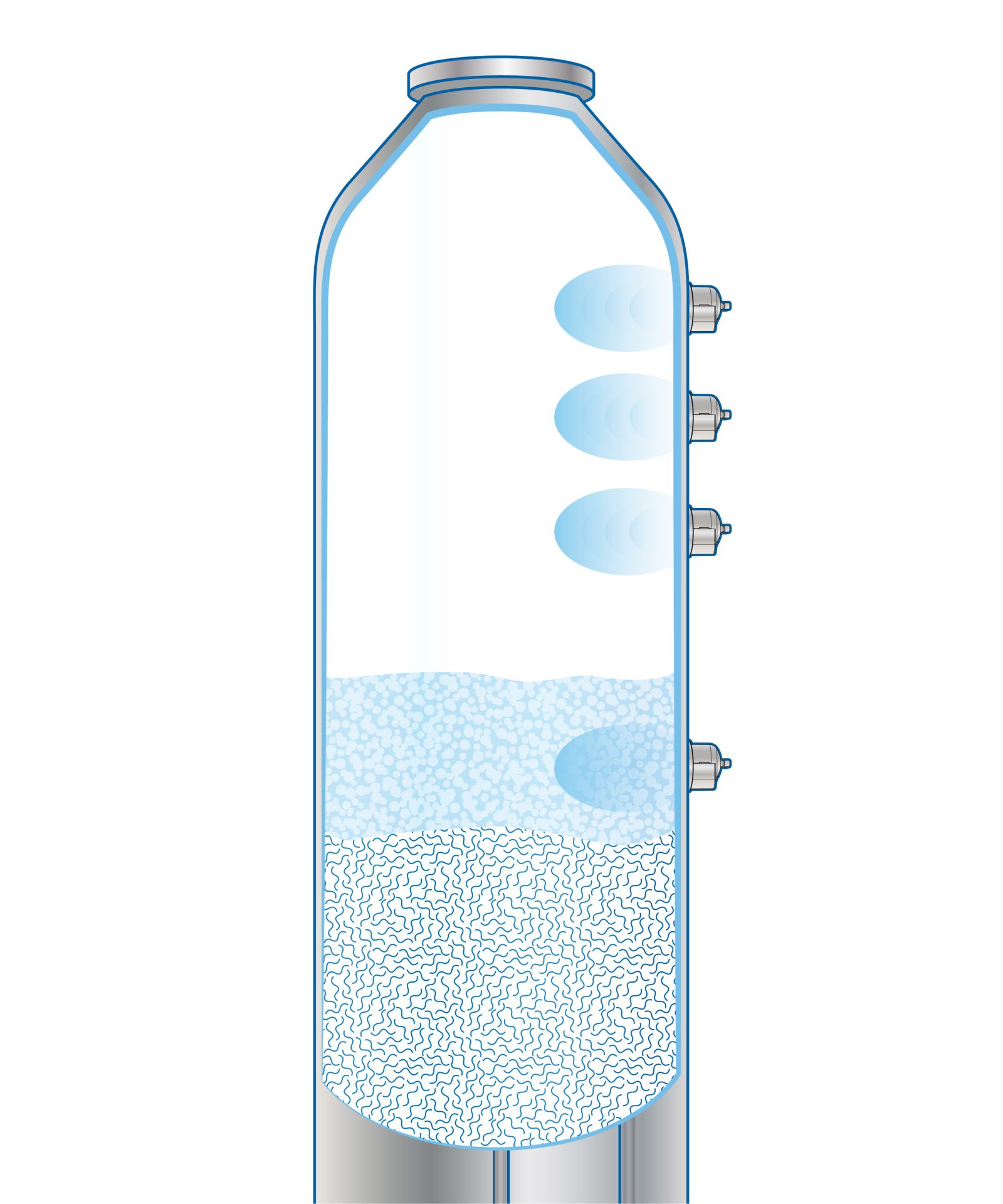
As the drum fills, the contents change through different phases, including vapour, foam and coke. Operators therefore need measurement technology that can provide reliable information at the points that matter.
But how is coke level actually measured in a delayed coker?
Read More
Topics:
neutron backscatter,
coke drum cycle,
coke drum optimization,
coke drum,
coker units,
delayed coke drum,
delayed coking,
coke drum monitoring,
coke formation monitoring,
foam and coke interface,
how coke level is measured,
how is coke level measured in a delayed coker,
refinery process measurement,
delayed coker level measurement,
coke drum process monitoring,
non-contact level measurement,
delayed coker,
coke level measurement,
coke drum level measurement,
level measurement,
process measurement,
DrumVision
Maintaining offshore pipeline integrity
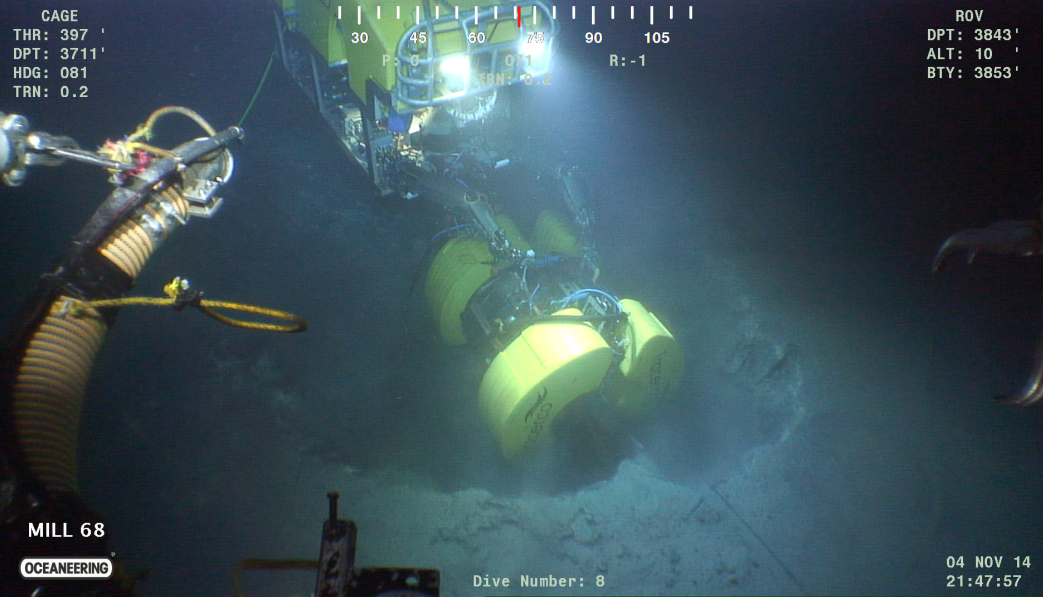
In the evolving world of offshore oil and gas, maintaining subsea pipeline integrity is not just important. It is essential for safety, efficiency, and long-term operational success. However, traditional pipeline inspection methods often struggle in the high-pressure, deepwater conditions typical of modern offshore fields.
Read More
Topics:
Discovery,
pipeline inspection,
pipeline integrity,
subsea flowlines,
Flow assurance,
Subsea Technology,
Explorer,
Asset Integrity,
Subsea flexibles,
subsea pipelines,
pipeline blockage,
Subsea Inspection,
Subsea Integrity,
pipeline life extension,
pipeline extension,
CT scanner,
CT scanning,
gulf of mexico,
north sea
In the ever-evolving offshore energy sector, the integrity of subsea pipelines remains a fundamental priority and a growing challenge. As operations venture into deeper and harsher environments, maintaining pipeline health over its full lifecycle has become increasingly complex. With risks such as corrosion, flow restrictions, and limited inspection access threatening both performance and safety, operators are turning to smarter, more proactive methods to manage these subsea assets.
Read More
Topics:
Discovery,
pipeline inspection,
pipeline integrity,
subsea flowlines,
Flow assurance,
Subsea Technology,
Explorer,
Asset Integrity,
Subsea flexibles,
subsea pipelines,
pipeline blockage,
Subsea Inspection,
Subsea Integrity,
pipeline life extension,
pipeline extension,
CT scanner,
CT scanning,
gulf of mexico,
north sea
The Asian petrochemical industry is experiencing rapid growth, driven by rising demand from sectors such as construction, automotive, packaging, and textiles. With massive investments in infrastructure and manufacturing across China, India, Malaysia, and Indonesia, the region is setting new benchmarks in petrochemical production. According to the International Energy Agency (IEA), China alone has added as much ethylene and propylene production capacity in five years as Europe, Japan, and Korea combined.
However, this growth presents challenges. Refinery owners must maximise throughput, improve efficiency, and reduce unplanned shutdowns, all while meeting increasingly strict environmental standards. In such a high-demand environment, precise process control is critical.
Read More
Topics:
nucleonic instrumentation,
Separator,
desalter optimization,
Tracerco Profiler,
nucleonic instrument,
separator performance,
instrumentation,
multiphase separation,
process control,
instrumentation control,
hydrocarbon separation train,
increased separator efficiencies,
nucleonic technology,
enhanced interface control,
process condition monitoring,
profiler,
Level+
Keeping operations flowing smoothly
Flow assurance is at the core of offshore and subsea oil and gas operations. Ensuring uninterrupted transportation of hydrocarbons from reservoirs to processing facilities is a fundamental challenge, especially in deepwater environments where extreme pressures and temperatures can cause blockages. As the industry evolves, so too must our approach to diagnosing and preventing these issues.
Read More
Topics:
Discovery,
pipeline inspection,
pipeline integrity,
subsea flowlines,
Flow assurance,
Subsea Technology,
Explorer,
Asset Integrity,
Subsea flexibles,
subsea pipelines,
pipeline blockage,
Subsea Inspection,
Subsea Integrity,
pipeline life extension,
pipeline extension,
CT scanner,
CT scanning,
gulf of mexico,
north sea
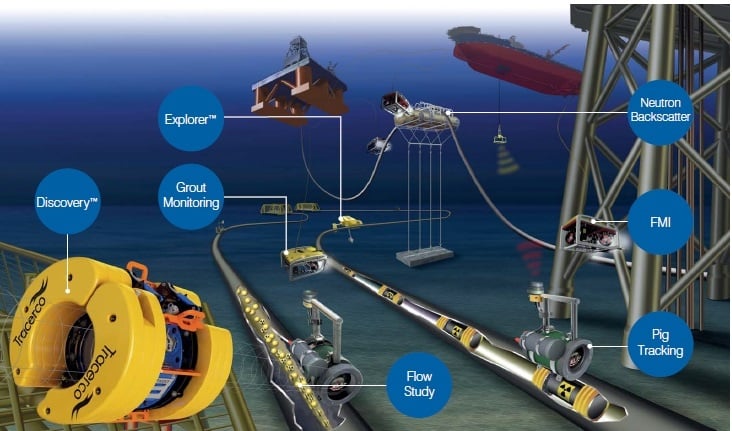
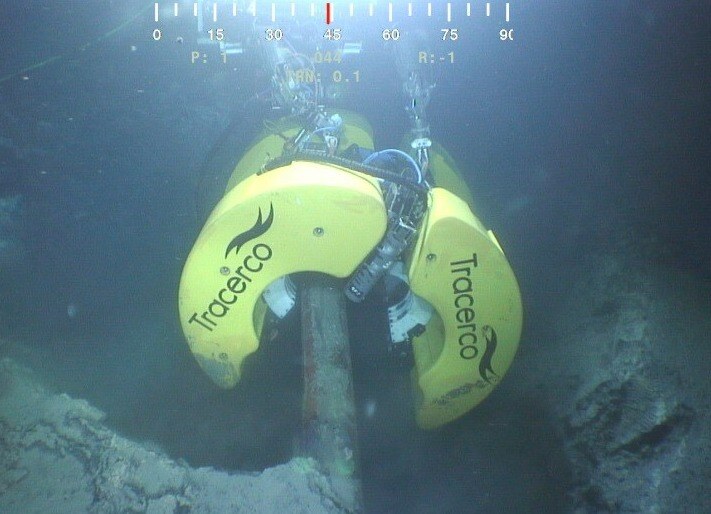
In the demanding realm of subsea oil and gas operations, maintaining pipeline integrity and ensuring optimal performance of pipelines is paramount. At Tracerco our innovative technologies, notably Discovery™ and Explorer™, have set new benchmarks in non-intrusive subsea pipeline inspection. We offer operators unparalleled insights into asset integrity and flow assurance, helping them make informed decisions about their operations without compromising production.
In this blog we discuss how Tracerco can help you gain insight into how operators are leveraging these technologies to their advantage.
Read More
Topics:
Discovery,
pipeline inspection,
pipeline integrity,
subsea flowlines,
Flow assurance,
Subsea Technology,
Explorer,
Asset Integrity,
Subsea flexibles,
subsea pipelines,
pipeline blockage,
Subsea Inspection,
Subsea Integrity,
pipeline life extension,
pipeline extension,
CT scanner,
CT scanning,
gulf of mexico,
north sea
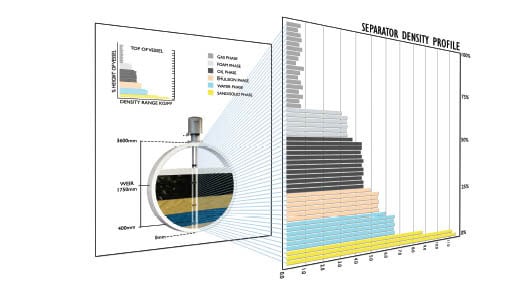
A nuclear level transmitter and multiphase measurement instrument, the Tracerco ProfilerTM has significantly improved operational efficiency and addressed various challenges in refining processes through its advanced process control equipment and nucleonic technology.
Read More
Topics:
nucleonic instrumentation,
Separator,
desalter optimization,
Tracerco Profiler,
nucleonic instrument,
separator performance,
instrumentation,
multiphase separation,
process control,
instrumentation control,
hydrocarbon separation train,
increased separator efficiencies,
nucleonic technology,
enhanced interface control,
process condition monitoring,
profiler